
What if your wish-fulfillment fantasy was just a cosmic gaslight run by a Time Lord villain?
Short Synopsis
The Doctor and Belinda wake up in a perfect suburban life with a baby daughter, but things are way too clean and dull. Ruby’s the only one who smells something wrong. Bye-bye reality.
Extended Storyline
So the TARDIS lands (as it tends to do), and poof — the Doctor and Belinda are living as “John and Belinda Smith,” married, with a daughter called Poppy. Think retro-suburban bliss: nice furniture, polite nods, cookouts, daytime TV, all that jazz, plus zero smartphones. Because in Wish World, technology is a betrayal of aesthetics. Seriously, everyone’s typing on rotary phones or filing paperwork like it’s 1955 and methane is still king.
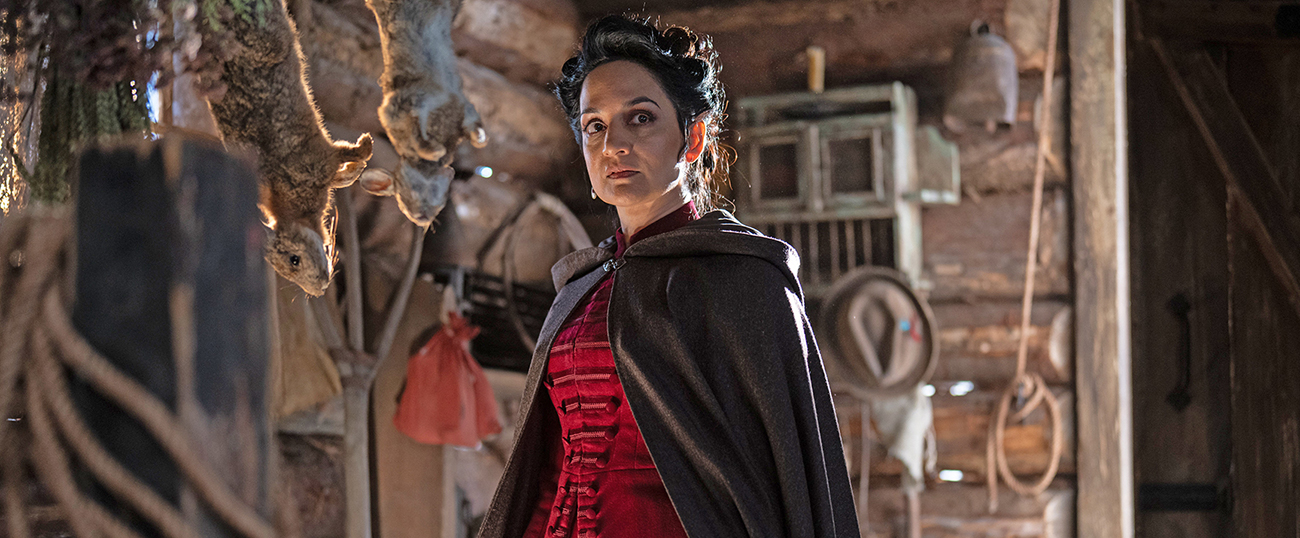
This perfect life was conjured by Conrad Clark (yes, that Conrad from earlier) under orders from the Rani (Archie Panjabi, doing creepy calm villainy). The secret sauce: Desiderium, the God of Wishes (born in Bavaria in 1865 as a baby with all the pedigree — seventh son, etc.), who has the power to make wishes into reality. Conrad and the Rani are using Desiderium to reshape Earth into a world that fits Conrad’s aesthetic plus Rani’s cosmic ambitions.
Ruby Sunday, though, has lived enough weirdness at this point to know when things are off. She doesn’t buy the perfect-wife housewife imaginary life. She starts peeking behind the curtains. Magazine covers show Conrad beaming. TV shows are propaganda. Mugs break when someone doubts something. Minor inconsistencies add up: Belinda can’t remember childbirth details. Doctor’s life is oddly devoid of actual Time Lord stuff. “Are we sure this is your life, Doctor?” is her catchphrase here.
Meanwhile, the more the world stays stable, the more Conrad broadcasts (via TV-style programming) Doctor Who stories as fiction. The trope: “Doctor Who” as a TV show in Doctor Who. This show-within-a-show paints the Time Lords as myth, which lets people dismiss warnings, cover up truths, and ignore weirdness. Because if you can convince people their history is just stories, they stop investigating broken mugs.
Belinda’s role as a mother in this world is full of cracks. She loves Poppy, but something’s hollow in her memories. Something about birth, identity, motherhood doesn’t quite fit. She sees Ruby, who’s less fooled, and the edges begin to fray.
Also, there are Bone Beasts, huge skeletal monsters walking the streets. Not sure if it’s fashion or terror, but either way: terror. Clocks always ticking toward midnight, May 24. Because of course there’s a deadline — it’s Doctor Who.
At some point, the Doctor starts doubting, big time. John Smith (Doctor mask) tries to hold on to the illusion. He's polite, helpful, paying bills, answering to Kate Lethbridge-Stewart and Colonel Ibrahim at the “Unified National Insurance Team” (which is UNIT, but dull-edged). But the slip-ups pile up: reflections that aren’t right, memories he shouldn’t have, ghostly replacements.
Ruby meets with Shirley Bingham and an underground network of folks who don’t fit Conrad’s perfect world: disabled people, people cast out by the illusion, marginalized. They share “glimpses” of the world as it should’ve been. It’s messy, secret, fierce. Ruby becomes part citizen, part rebel.
Then it all blows up (literally and metaphorically) when Rogue turns up (yes, Rogue!), whispers something (“tables don’t do that,” of course), reminding the Doctor of things he’s suppressed. Belinda is dragged into the Bone Palace by Mrs Flood. The Rani reveals she has been using wish-reality to weaken conviction, to make people doubt the universe – because doubt gives power, in this universe. All thorny, all fragile, all creepy.
As midnight strikes May 24, the fake world starts to shatter under its own perfect weight. Reality splits. The Doctor is left hanging (literally) off a balcony over a crumbling Bone Palace. Everyone else is facing the collapse. And just before the credits roll, all we see is his reach to Poppy, Belinda’s fear, and the world tilting into the unknown.