
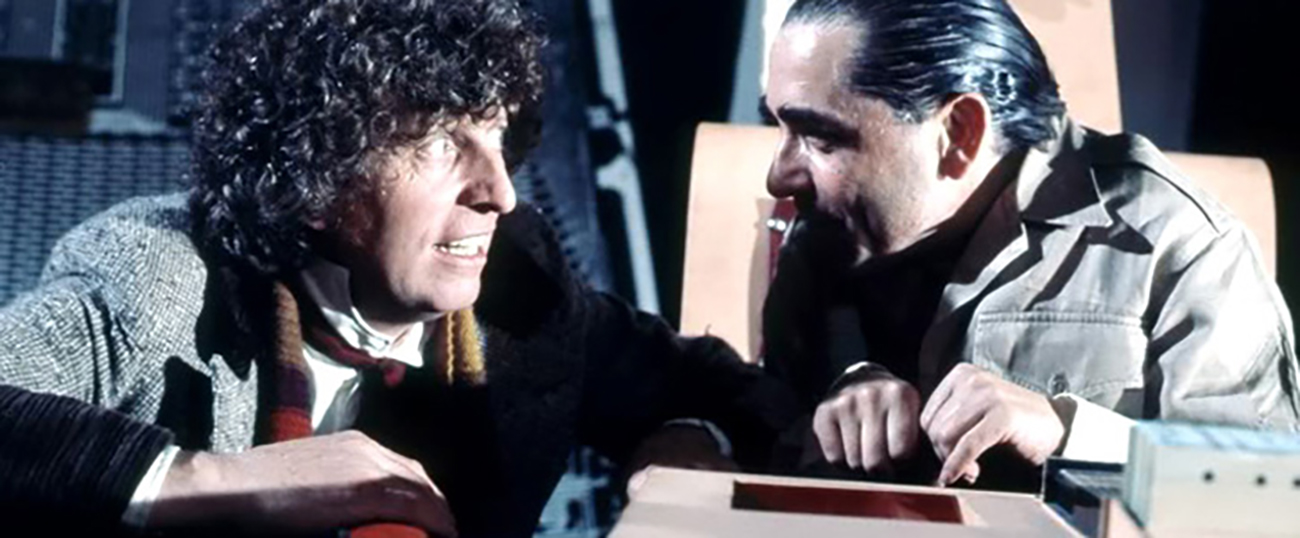
Forget monsters — nothing’s scarier than intergalactic tax bureaucracy.
Short Synopsis
On Pluto, humanity toils under an oppressive tax system run by a faceless corporation. The Doctor and Leela inspire a workers’ revolution, proving once and for all that the scariest villain in Doctor Who is a tax collector with too much power.
Extended Storyline
The Doctor and Leela arrive on Pluto and immediately notice something odd: six blazing suns light the sky. Turns out, Pluto’s been terraformed into a mining colony — not because anyone wants to live there, but because the Company that runs things figured cheap labor and a manufactured environment were easier to exploit than Earth itself. Because when you’re an evil megacorporation, logic stops at “how can we make this even more miserable?”
Humanity here lives in underground cities where workers are crushed by impossible tax burdens. Not just income tax, either — they’re taxed for breathing, sleeping, dying, and probably for daring to complain. The result? A broken, beaten population that exists solely to enrich the Company and its shadowy rulers. It’s capitalism, cranked up to “let’s make everyone cry.”
Naturally, the Doctor and Leela wander straight into trouble. They discover a young worker named Cordo who’s on the verge of suicide because he can’t afford the death taxes on his father’s funeral. (Yes, you read that right: the Company charges you for dying. Charming, isn’t it?) The Doctor saves Cordo and decides this is the perfect time to stick it to The Man — or rather, The Collector.
The Collector, as it turns out, is the main villain of the piece — a squat, greedy little alien who looks like a mutant sea urchin crossed with a green accountant. He runs the Company with ruthless efficiency, squeezing every last penny from the workers while lounging in a chair that screams “middle management hell.” His partner in oppression is the pompous Gatherer Hade, a toadying tax enforcer who spends most of his time bowing, scraping, and giggling about how clever his masters are. He’s the sort of bureaucrat who would happily fine you for smiling too wide.
The Doctor, Leela, and Cordo soon hook up with a band of rebels who live outside the system. At first, these rebels aren’t much use — they’re more like grumpy squatters than freedom fighters — but with a little Doctor-brand pep talk and a lot of Leela-brand stabbing energy, they start to get ideas about, say, overthrowing their overlords.
As the story progresses, the Doctor manipulates the system from within, poking holes in the bureaucracy and encouraging revolt. Leela, meanwhile, gets captured and nearly executed (because of course she does), only to be rescued in time to lead the workers in open rebellion. The Gatherer himself gets hoisted — literally — by his own smugness, when angry workers throw him off the roof of a building. (It’s played for laughs, because apparently in the future mob justice is slapstick comedy.)
The climax sees the Doctor confront the Collector himself. The little green bean reveals that his species are not actually human at all, but a race of sluglike alien accountants who profit from misery and taxation. In a delicious moment of poetic justice, the Doctor tricks him into reverting to his true form, a blob of green slime that gets sucked down into his own life-support chair. The revolution succeeds, the Company collapses, and Pluto is free at last.
The Doctor and Leela leave behind a liberated planet, safe in the knowledge that humanity will now get to rebuild society… hopefully with fewer death taxes and slightly less bureaucracy. (Though knowing humanity, it’s probably just a matter of time before someone reinvents council tax and ruins everything again.)